
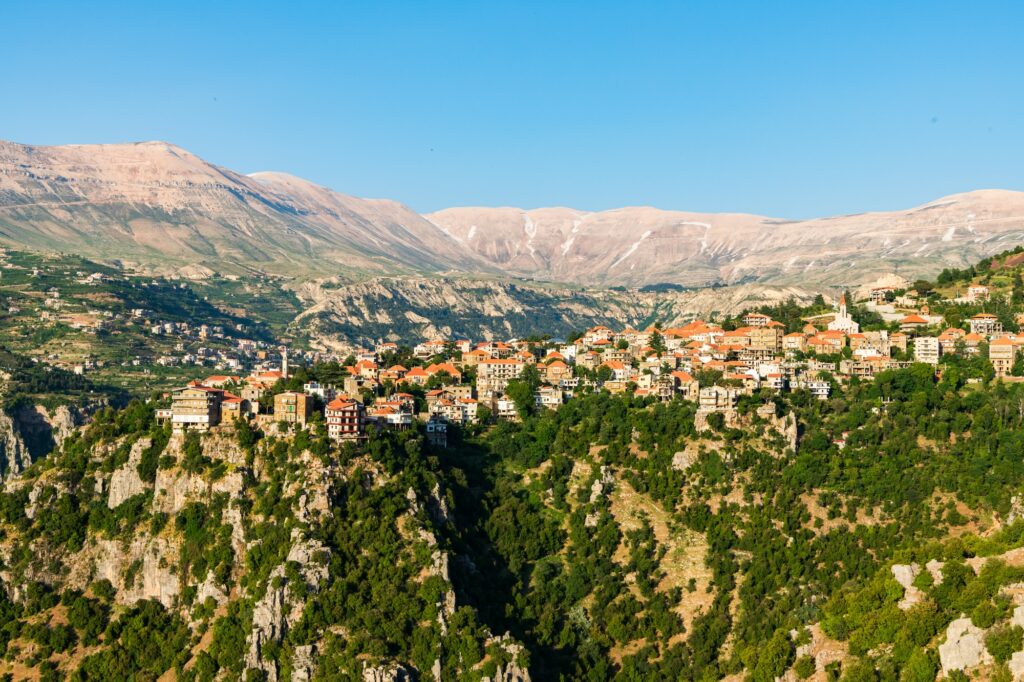

The Cedars of God in Bsharri, Lebanon, stand as ancient sentinels, witnessing the passage of time and preserving a storied heritage. Revered for centuries, these majestic cedar trees hold cultural, historical, and ecological significance. In this exploration, we delve into the rich tapestry of the Cedars of God, tracing their roots through time, understanding their symbolic importance, and highlighting the conservation efforts dedicated to preserving this natural wonder.
Historical Significance: The Cedars of God, known locally as “Arz el-Rab,” have a history deeply intertwined with Lebanon’s cultural and religious identity. These ancient trees find mention in biblical texts, symbolizing strength, endurance, and resilience. Historically, the cedar wood was highly prized for its durability and resistance to decay, making it a sought-after resource for construction.
Biblical References: Cedars are prominently mentioned in the Bible, with references in the Old and New Testaments. The construction of King Solomon’s temple in Jerusalem utilized cedar wood from Lebanon, emphasizing the historical importance of the Cedars of God.
Natural Habitat: The Cedars of God are located in the Qadisha Valley, near the town of Bsharri. Nestled in the Lebanese mountains, this natural sanctuary provides an ideal habitat for the cedars, with a climate and soil conditions conducive to their growth.
Tree of Lebanon: The cedar tree has long been a symbol of Lebanon, gracing the country’s flag and emblem. Referred to as the “Tree of Lebanon,” the cedar represents the resilience and enduring spirit of the Lebanese people, even in the face of adversity.
Conservation Efforts: Due to centuries of exploitation for construction purposes, the cedar forests faced a significant decline. Recognizing the need for conservation, initiatives were undertaken to protect and preserve the Cedars of God. The area was designated a UNESCO World Heritage site, acknowledging its cultural and ecological importance.
Bsharri Cedars Reserve: The Cedars of God are part of the larger Bsharri Cedars Reserve, a protected area that encompasses several cedar groves. The reserve is managed with a focus on sustainable practices, allowing visitors to experience the natural beauty while ensuring the preservation of the delicate ecosystem.
Majestic Giants: Walking among the Cedars of God is a humbling experience. Some of these trees are centuries old, with gnarled trunks and branches reaching towards the sky. Their sheer size and majestic presence evoke a sense of reverence and awe.
Qadisha Valley: The Cedars of God are situated in proximity to the Qadisha Valley, a UNESCO World Heritage site known for its rugged landscapes, monasteries, and historical significance. The valley provides a breathtaking backdrop to the ancient cedars, adding to the overall allure of the region.
Cultural and Touristic Importance: The Cedars of God attract visitors from around the world who come to witness this living testament to history. The site has become a symbol of Lebanon’s natural beauty and cultural heritage, drawing nature enthusiasts, historians, and pilgrims alike.
Spiritual Retreat: For centuries, the Cedars of God have been associated with spiritual retreats and contemplation. The serene atmosphere and the ancient wisdom exuded by these trees create an ideal setting for introspection and connection with nature.
Challenges and Conservation Balance: Despite conservation efforts, the Cedars of God face challenges such as climate change and human impact. Striking a balance between conservation and sustainable tourism is essential to ensure the continued well-being of these ancient trees.
Conclusion: In conclusion, the Cedars of God in Bsharri, Lebanon, transcend their role as ancient trees; they are living witnesses to history, culture, and the enduring spirit of a nation. As visitors explore the majestic groves, they embark on a journey through time, connecting with the biblical past and appreciating the ongoing efforts to preserve this natural wonder. The Cedars of God remain not only a symbol of Lebanon’s identity but also a testament to the importance of safeguarding our natural heritage for generations to come.