Nestled in the heart of the arid landscapes of the United Arab Emirates (UAE), Al Ain stands as an oasis of tradition, culture, and natural splendor. This historic city, known as the “Garden City” of the UAE, is a captivating destination that seamlessly combines the richness of its past with the aspirations of the present. From ancient forts and lush gardens to vibrant souks and modern developments, Al Ain offers a multifaceted tapestry that invites visitors to explore its unique blend of heritage and progress.
Geography and Landscape: The Oasis in the Desert
Al Ain is situated on the eastern border of the Emirate of Abu Dhabi, close to the border with Oman. Its location at the foothills of the Hajar Mountains contributes to a more temperate climate compared to the surrounding desert regions. The city’s landscape is characterized by oases, palm groves, and rocky terrain, creating a visually striking contrast to the vast desert that stretches beyond.
The oasis of Al Ain is fed by natural springs, allowing the cultivation of date palms and other crops. This blend of natural beauty and agricultural fertility has earned Al Ain its reputation as a green jewel in the desert.
Al Ain Oasis: A Verdant Haven
The Al Ain Oasis is a UNESCO World Heritage Site and stands as a testament to the ancient agricultural practices of the region. Spread over thousands of acres, the oasis is a network of palm groves, falaj irrigation channels, and traditional mud-brick structures. Walking through the shaded pathways, visitors can experience the tranquility of the oasis, marvel at the date palms, and gain insights into the sustainable practices that have sustained the community for centuries.
The Oasis also houses the Al Ain Oasis Plaza, where exhibitions and educational programs showcase the historical and cultural significance of the oasis and its role in shaping the identity of Al Ain.
Jebel Hafeet: Majestic Mountain Heights
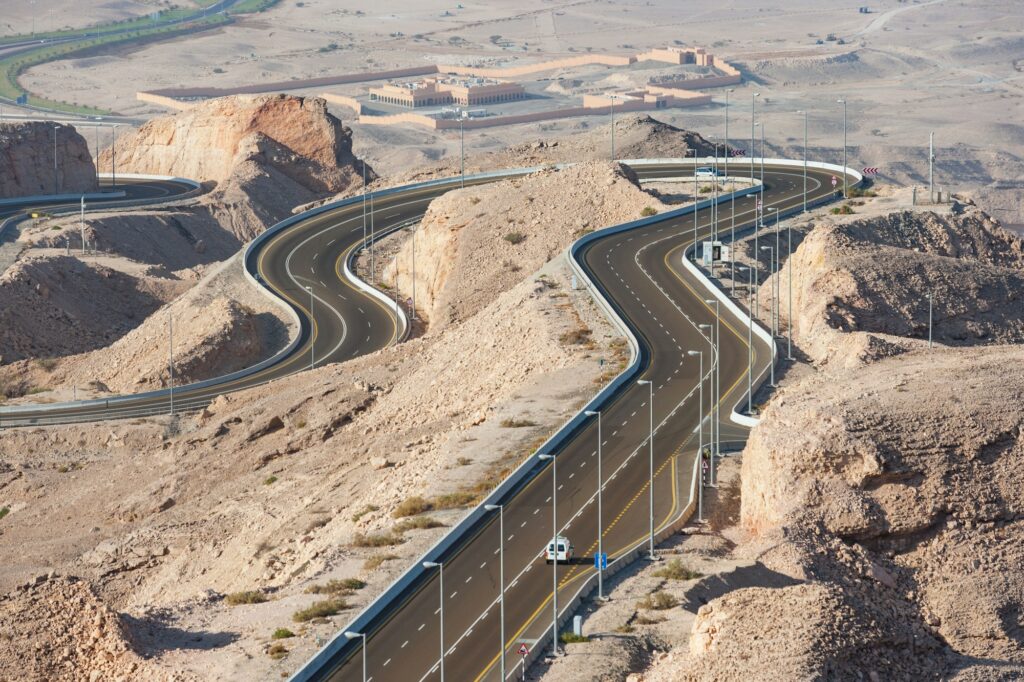
Jebel Hafeet, rising majestically to the south of Al Ain, is the second-highest peak in the UAE. The mountain offers panoramic views of the city, the surrounding desert, and even into the neighboring country of Oman. The winding road to the summit takes visitors through the rocky terrain, revealing glimpses of the arid landscapes that gradually give way to the greenery of the oasis below.
At the summit, visitors are rewarded with breathtaking views, and the Jebel Hafeet Mountain Road has gained fame as one of the most scenic drives in the world. The mountain also hosts a hotel and recreational facilities, providing a serene escape from the city below.
Al Ain Fort (Jahili Fort): Guardian of the Oasis
The Al Ain Fort, also known as Jahili Fort, is a historic fortress that has stood as a guardian of the oasis for over a century. Built in the late 19th century, the fort served as a defense structure against external threats. Today, it stands as a cultural landmark, showcasing the traditional Emirati architecture and offering insights into the region’s history.
Jahili Fort houses the Sheikh Zayed Desert Learning Centre, where interactive exhibits and displays provide an educational journey into the desert ecosystem, its flora, and fauna, as well as the efforts toward environmental conservation.
Al Ain National Museum: Tracing Heritage and History
The Al Ain National Museum is a treasure trove of artifacts that chronicle the history and heritage of the region. Housed in the Al Ain Palace, the museum features displays on archaeology, ethnography, and the ruling family of Al Ain. Exhibits include ancient pottery, tools, and manuscripts, offering a comprehensive overview of the cultural evolution of Al Ain.
The museum also showcases the personal effects of the late Sheikh Zayed bin Sultan Al Nahyan, the founding father of the UAE, providing visitors with a deeper understanding of the country’s modern history.
Al Ain Zoo: Conservation and Biodiversity
Al Ain Zoo is a pioneering institution dedicated to wildlife conservation, research, and education. Home to over 4,000 animals, including endangered species, the zoo is committed to promoting awareness about biodiversity and the importance of protecting wildlife.
The Sheikh Zayed Desert Learning Centre within the zoo offers an immersive experience, educating visitors about the desert environment and the role of sustainable practices in conservation. The Al Ain Safari, part of the zoo, provides a unique opportunity for guests to observe animals in a habitat that mimics their natural surroundings.
Al Ain Souk: Bustling Market Traditions
The Al Ain Souk is a vibrant marketplace where the traditions of trade and commerce come alive. Nestled within the heart of the city, the souk is a maze of narrow alleys and stalls selling a diverse array of goods, from traditional handicrafts and spices to textiles and souvenirs. Visitors can immerse themselves in the lively atmosphere, negotiate prices with local vendors, and experience the authentic charm of a traditional Arabian market.
Hili Archaeological Park: Ancient Tombs and Artifacts
Hili Archaeological Park is an archaeological site that dates back to the Bronze Age, revealing ancient tombs and artifacts that provide a glimpse into the region’s prehistoric past. The site features circular tombs and remnants of ancient settlements, showcasing the advanced engineering and architectural skills of early inhabitants.
The park also hosts the Hili Grand Tomb, a reconstructed tomb that offers insights into the burial practices of the ancient inhabitants. The adjacent Hili Archaeological Garden features sculptures, providing a cultural and recreational space for visitors.
Al Ain University: A Hub of Knowledge
Al Ain University is a prominent institution of higher education, contributing to the intellectual and cultural vibrancy of the city. With a focus on academic excellence and research, the university plays a crucial role in shaping the future of Al Ain and the UAE. Its modern campus reflects the city’s commitment to education and innovation.
Al Ain’s Cultural Events: Celebrating Tradition
Throughout the year, Al Ain hosts various cultural events and festivals that celebrate the traditions, art, and heritage of the region. The Al Ain Cultural Programme includes performances, exhibitions, and activities that showcase the diversity and richness of Emirati culture. From traditional music and dance to contemporary art exhibitions, these events provide a platform for locals and visitors to engage with the cultural tapestry of Al Ain.
Future Development: Balancing Progress and Heritage
As Al Ain continues to evolve, there is a concerted effort to balance progress with the preservation of heritage and natural beauty. Sustainable development initiatives focus on maintaining the city’s unique character, protecting its historical landmarks, and promoting eco-friendly practices. The goal is to ensure that future generations can continue to enjoy the charm of Al Ain’s oases, mountains, and cultural traditions.
Conclusion
Al Ain, with its lush oases, historic forts, and modern developments, invites visitors on a journey through time and tradition. As the oasis city embraces its past and looks toward the future, it remains a captivating destination that seamlessly integrates heritage, culture, and natural wonders. Exploring Al Ain is not just a discovery of ancient forts and gardens; it is an immersion into the soul of a city where tradition and modernity coexist in harmony.