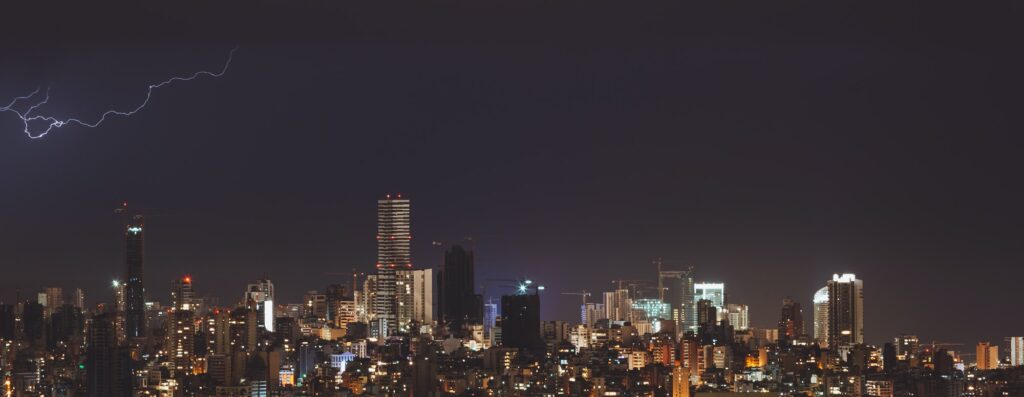
Beirut, the vibrant capital of Lebanon, stands at the crossroads of history, culture, and resilience. This coastal city, nestled between the Mediterranean Sea and the Lebanon Mountains, has endured the ebb and flow of centuries, emerging as a captivating blend of the ancient and the contemporary. In this exploration, we delve into the geographical, historical, cultural, and socio-economic dimensions of Beirut, unraveling the narratives that have shaped this dynamic metropolis.
Geographical Setting: Beirut’s geographical setting is nothing short of spectacular. With its location along the Mediterranean coastline, the city boasts stunning sea views and a mild Mediterranean climate. Flanked by the Lebanon Mountains to the east, Beirut enjoys a picturesque landscape that has drawn inhabitants and visitors alike for millennia.
Historical Tapestry: The history of Beirut is a tapestry woven with threads from various civilizations. From its Phoenician origins over 5,000 years ago to Roman, Ottoman, and French influences, Beirut has been a witness to the rise and fall of empires. The city’s name itself is derived from the Phoenician “Biruta,” meaning wells, attesting to its ancient roots as a water source.
Cosmopolitan Legacy: Under Ottoman rule and later as part of the French Mandate in the 20th century, Beirut evolved into a cosmopolitan hub. The city became known as the “Paris of the Middle East” for its cultural dynamism, educational institutions, and architectural grandeur. This legacy is evident in the city’s diverse architecture, which juxtaposes Ottoman, French colonial, and contemporary structures.
Civil Wars and Resilience: Beirut’s recent history has been marked by periods of conflict, notably the Lebanese Civil Wars (1975-1990). The scars of war are still visible in certain areas, but Beirut has demonstrated remarkable resilience in the aftermath. Post-war reconstruction efforts have reshaped the cityscape, creating a blend of modern skyscrapers and restored historical sites.
Cultural Melting Pot: Beirut’s identity as a cultural melting pot is reflected in its diverse population and the coexistence of various religious and ethnic communities. The city’s neighborhoods, from the historic Gemmayzeh and Mar Mikhael to the upscale districts of Ashrafieh, encapsulate this diversity. Each area tells a unique story, offering a kaleidoscope of culinary, artistic, and social experiences.
Culinary Delights: Lebanese cuisine is renowned worldwide, and Beirut is the epicenter of this gastronomic delight. From traditional meze dishes to delectable sweets, Beirut’s streets are adorned with restaurants and eateries that cater to every palate. The lively atmosphere of the city’s cafes and street food vendors adds to the culinary richness that defines Beirut.
Cultural Renaissance: In recent years, Beirut has experienced a cultural renaissance, with a burgeoning art scene, film festivals, and a revival of traditional crafts. Galleries, theaters, and cultural spaces like the Beirut Art Center have become platforms for local and international artists to showcase their work, contributing to the city’s vibrant cultural landscape.
Educational Hub: Beirut is home to several prestigious educational institutions, including the American University of Beirut (AUB), which has played a pivotal role in the region’s intellectual and academic development. The university’s lush campus, nestled on the Mediterranean shoreline, has become a symbol of Beirut’s commitment to education and knowledge.
Economic Hub: As Lebanon’s economic capital, Beirut has long been a financial and business hub in the Middle East. The city’s central district, once devastated during the civil wars, has undergone significant reconstruction and is now a testament to Beirut’s economic resilience. The district houses modern skyscrapers, luxury hotels, and upscale boutiques.
Beirut’s Nightlife: Beirut comes alive at night, earning its reputation as a city that never sleeps. From traditional pubs and music venues to trendy rooftop bars and beach clubs, the nightlife in Beirut is diverse and energetic. Areas like Gemmayzeh and Mar Mikhael are famous for their bustling nightlife, offering a blend of local and international experiences.
Challenges and Solidarity: Despite its vibrancy, Beirut faces challenges, including political and economic uncertainties. The devastating explosion at the Port of Beirut in August 2020 further underscored the city’s resilience. The aftermath witnessed an outpouring of solidarity, both locally and globally, as the people of Beirut came together to rebuild and support one another.
Conclusion: In conclusion, Beirut is a city that defies a singular narrative. It is a city of contrasts, where ancient history meets modernity, and resilience thrives amid challenges. From its historical roots to its contemporary vibrancy, Beirut remains a captivating destination that beckons visitors to explore its diverse neighborhoods, savor its culinary delights, and witness the indomitable spirit of a city that continues to evolve and redefine itself.