
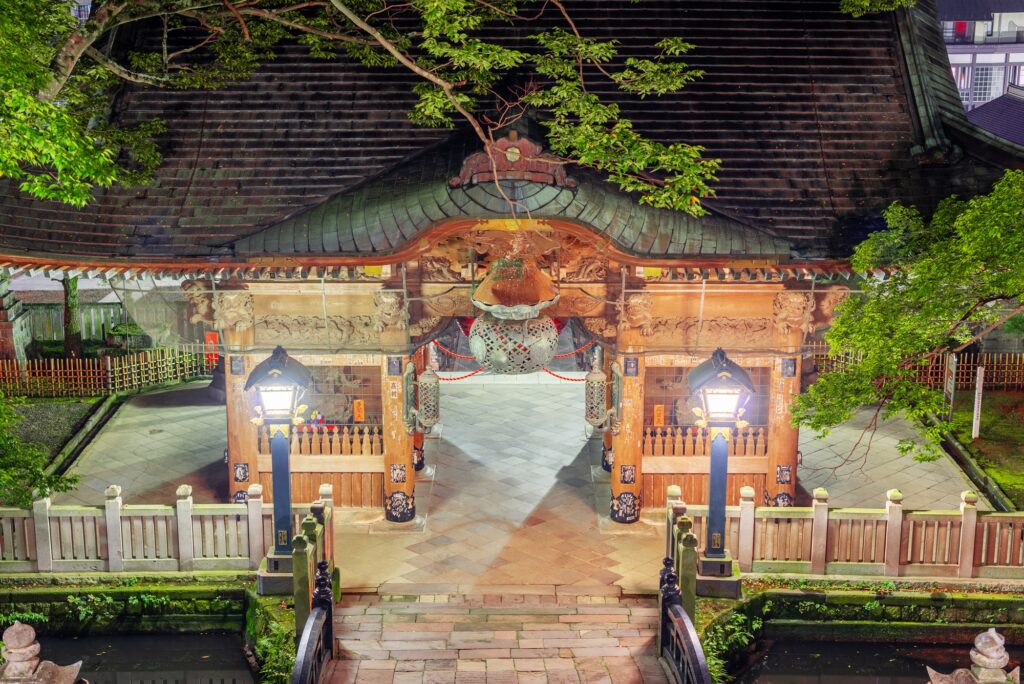

Naritasan Shinsho-ji

Naritasan Shinsho-ji

Average Reviews

Description

A Spiritual Haven in the Heart of Narita

Naritasan Shinsho-ji, located in the charming town of Narita, Japan, is a sacred Buddhist temple that has been a beacon of spiritual solace for over a thousand years. Nestled amidst the tranquil surroundings of Narita-san Park, this temple complex is not only a center of religious worship but also a cultural treasure trove with its rich history, vibrant festivals, and captivating architecture. Join us on a virtual journey as we explore the spiritual and cultural significance of Naritasan Shinsho-ji, uncovering the traditions that have made it a revered destination for pilgrims and visitors alike.

Historical Roots:
The roots of Naritasan Shinsho-ji can be traced back to the year 940 when a Buddhist monk named Kanjo established the temple. Since its inception, the temple has been a place of worship dedicated to the Buddhist deity Fudo Myoo, known for his fierce yet compassionate nature. Over the centuries, Naritasan has grown into a sprawling complex that includes multiple halls, pagodas, and gates.

Great Pagoda of Peace:
One of the most iconic structures within Naritasan Shinsho-ji is the Great Pagoda of Peace, or Daito. Standing at an impressive height, this five-story pagoda is a symbol of tranquility and enlightenment. Visitors can climb to the top for panoramic views of the temple grounds and the surrounding town of Narita.

Niomon Gate:
The Niomon Gate serves as the main entrance to Naritasan Shinsho-ji and is guarded by two fierce-looking deities, Nio Kings. As visitors pass through the gate, they are greeted by the sacred atmosphere of the temple complex. The gate is adorned with intricate wood carvings and colorful decorations, reflecting traditional Japanese architectural styles.

Main Hall:
The Main Hall, or Hondo, is the central worship hall of Naritasan Shinsho-ji. It houses a statue of Fudo Myoo, the main deity revered at the temple. Pilgrims and visitors gather here to offer prayers and seek blessings for various aspects of their lives, including health, prosperity, and spiritual well-being.

Omotesando:
The approach to Naritasan Shinsho-ji is marked by a picturesque street called Omotesando. Lined with shops selling traditional crafts, snacks, and souvenirs, this charming avenue adds to the festive atmosphere during major religious celebrations and festivals. Pilgrims often walk this path as a symbolic journey toward spiritual awakening.

Festivals and Celebrations:
Naritasan Shinsho-ji hosts several festivals throughout the year, attracting pilgrims and tourists alike. The Gion Festival in July, featuring traditional dance performances and vibrant processions, is a highlight that brings the temple grounds to life. The Narita Taiko Matsuri, showcasing dynamic taiko drumming, is another spectacle that embodies the cultural vibrancy of the region.

Shinsho-ji Temple Grounds:
The temple complex extends beyond the main hall, with various smaller halls, shrines, and gardens to explore. Each section of the grounds offers a unique glimpse into the spiritual and cultural heritage of Naritasan Shinsho-ji. Visitors can discover hidden corners, stone lanterns, and serene meditation spots as they wander through the peaceful surroundings.

Gaku-do:
Gaku-do is a hall dedicated to the study of Buddhism and serves as a center for religious education. The hall hosts lectures, seminars, and cultural events, fostering a sense of community and intellectual exploration among the temple’s followers.

Three-storied Pagoda:
Another noteworthy structure within Naritasan Shinsho-ji is the Three-storied Pagoda, or Tahoto. This pagoda, characterized by its unique architectural style, stands as a symbol of the Buddhist cosmology. Each level of the pagoda represents a different realm of existence, emphasizing the interconnected nature of all living beings.

Shomyo Falls:
Naritasan Shinsho-ji is not only a place of architectural and cultural significance but also a haven of natural beauty. Shomyo Falls, located within the temple grounds, adds a serene touch to the environment. The gentle cascade of water amidst the lush greenery creates a peaceful ambiance for reflection and meditation.

Pilgrimages and Spiritual Journeys:
Many individuals embark on pilgrimages to Naritasan Shinsho-ji, a practice deeply rooted in Japanese religious tradition. The journey is seen as a means of purifying the mind, body, and soul. Pilgrims often walk long distances to reach the temple, forging a connection with the sacred landscapes along the way.

Accessibility and Cultural Integration:
Naritasan Shinsho-ji is easily accessible from Narita International Airport, making it a popular destination for travelers with layovers or longer stays in the area. The temple’s integration into the town of Narita allows visitors to explore not only its spiritual offerings but also the local culture, traditional crafts, and culinary delights.

Preservation and Community Engagement:
Efforts to preserve the historical and cultural heritage of Naritasan Shinsho-ji are integral to its continued significance. The temple actively engages with the local community, fostering a sense of shared responsibility for its preservation. Ongoing restoration projects and educational initiatives contribute to the temple’s sustainability.

Conclusion:
Naritasan Shinsho-ji stands as a living testament to the enduring spiritual and cultural legacy of Japan. From the grandeur of the Great Pagoda of Peace to the tranquility of Shomyo Falls, every aspect of the temple complex reflects a harmonious blend of architectural elegance, natural beauty, and religious devotion. Whether visitors seek a place for quiet contemplation, cultural exploration, or participation in festive celebrations, Naritasan Shinsho-ji offers a sanctuary where the past and present converge in a timeless dance of spirituality and cultural richness.

Videos

Today Closed UTC+5.5

08:00 AM - 04:00 PM
  • Monday
    08:00 AM - 04:00 PM
  • Tuesday
    08:00 AM - 04:00 PM
  • Wednesday
    08:00 AM - 04:00 PM
  • Thursday
    08:00 AM - 04:00 PM
  • Friday
    08:00 AM - 04:00 PM
  • Saturday
    08:00 AM - 04:00 PM
  • Sunday
    08:00 AM - 04:00 PM

Statistic

137 Views
0 Rating
0 Favorite
0 Share

Claim Listing

Is this your business?

Claim listing is the best way to manage and protect your business.